
Capital Is Necessary, but not Sufficient
A grant by itself doesn't grow a business. It usually just funds the wrong things faster. That's the part most small business programs get wrong. BossUp is one of the few we've seen get it right.
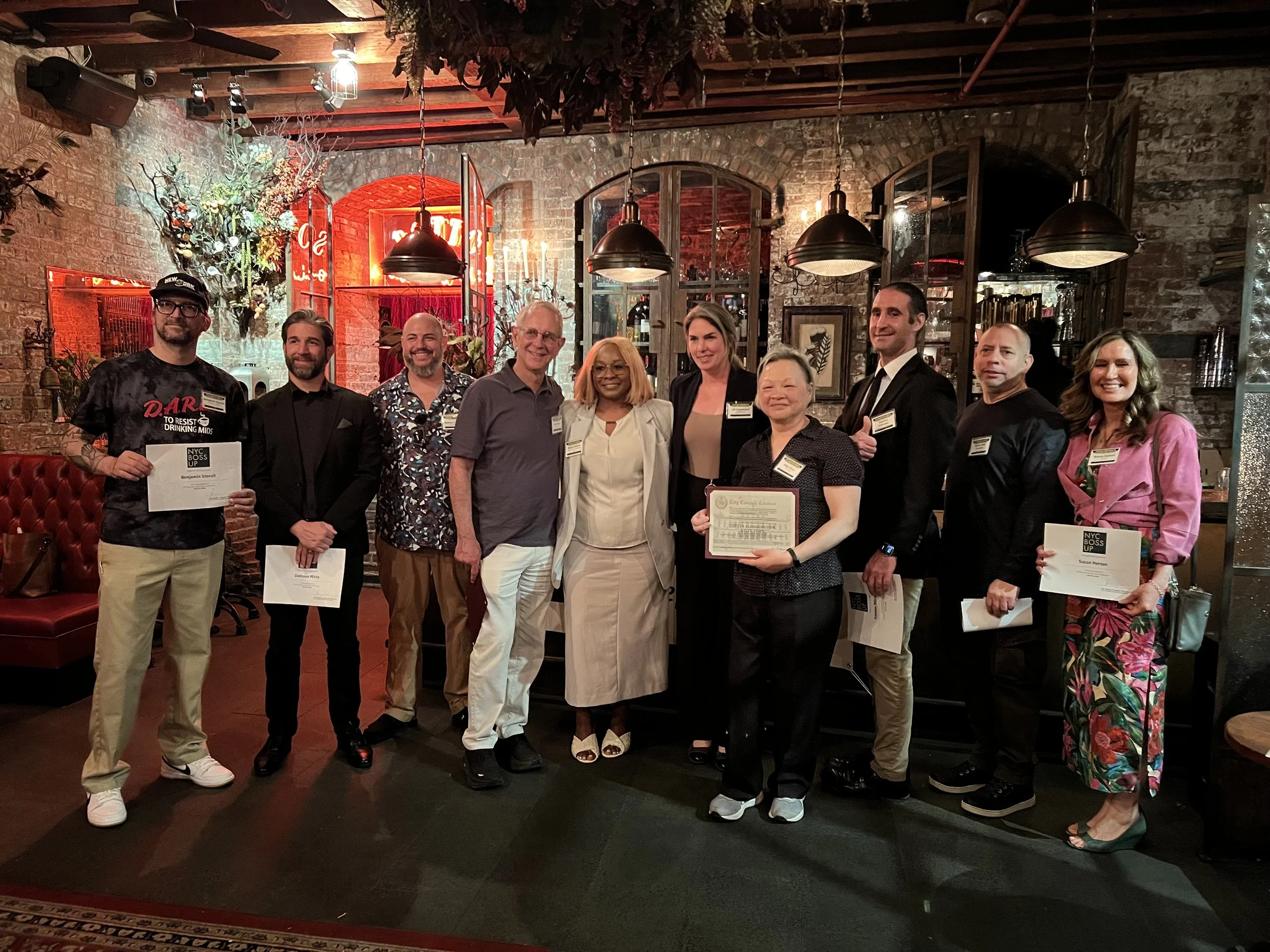
We saw what that looks like up close on April 16, at the BossUp reception and graduation for their most recent veterans cohort.
About BossUp
Boss Up was founded in 2022 to support underserved entrepreneurs who don't have easy access to resources or capital. They run programs for veterans and NYCHA residents populations that have been underserved by traditional small business support.
The program pairs three things together:
Financial grants
Technical training
Wraparound support
That combination matters. We'll come back to why.
We attended the reception celebrating the most recent veterans cohort. Entrepreneurs had pitched their businesses in a competition format. Winners walked away with grant funding. But the energy in the room wasn't really about the money. It was about the work that got them there, and the people who showed up for it.
The thing most programs miss
Capital is necessary. It's not sufficient.
Hand a small business owner a grant with no plan, no system, and no support, and you'll usually watch that money disappear into the wrong things. Marketing that doesn't convert. Tools that go unused. Inventory that sits.
This isn't the entrepreneur's fault. It's the system's. Capital deployed without preparation is one of the most common ways small business funding fails to create real growth.
Boss Up gets this right. Before any winner received a dollar, they went through the FastTrac Growth Venture — a five-week program where they:
Built a real growth plan
Sharpened their business strategy
Got ready to deploy capital effectively
By the time the funding hit, they knew exactly what it was for and how to use it.
Progress Playbook delivers FastTrac Growth Venture as part of this program, which is why we were in the room.
Ecosystem collaboration is the actual unlock
The other thing this event made obvious: no single organization solves this on its own.
Boss Up brings the program design and funding. NYC Department of Small Business Services brings reach, infrastructure, and trust. Progress Playbook brings the technical training and growth strategy work. Each plays a clear role.
That's what real collaboration looks like. Not a logo on a flyer, but distinct roles working toward a shared outcome. The entrepreneurs don't see the seams. They just see a program that actually helps them move forward.
Targeted support isn't a nice to have
This cohort was specifically for veterans. Boss Up also runs tracks for NYCHA residents.
Targeted programs work because they meet people where they are. Veterans have a specific operating context, including the skills they bring, the networks they've built, the transitions they've made. A program designed for that context will land differently than a generic one. Treating every founder's journey as identical isn't equity. Designing for the specific reality is.
What veterans actually need
Veterans have already invested in protecting and serving this country.
Supporting them in building businesses afterward isn't a feel good initiative. It's a necessary one. The skills veterans bring, such as discipline, leadership, and operating under pressure, translate directly to running a company. What they need is access. To capital. To preparation. To partners who'll back the work.
Progress Playbook is proud to keep doing this work alongside Boss Up and the NYC Department of Small Business Services. We're excited to continue supporting veteran entrepreneurs as they start, build, and grow real businesses in their communities.
When they succeed, our communities and our city succeed with them.
What entrepreneurs should take from this
If you're early and chasing capital:
Get prepared first. Capital is multiplied by preparation. Without it, money disappears.
Look for programs that pair funding with training. The combination is what creates outcomes.
Take the structured support seriously. Skip the workshops and you skip the leverage.
What ecosystem partners should take from this
If you're building or funding small business programs:
Capital alone won't move the needle. Pair it with technical assistance.
Collaboration beats competition. Define clear roles. Stay in your lane.
Design for the specific population you're serving. Generic programs produce generic outcomes.
